What Is Left After the Tree
Request a free on-site estimate.
The Tree Is Gone. Now the Stump.
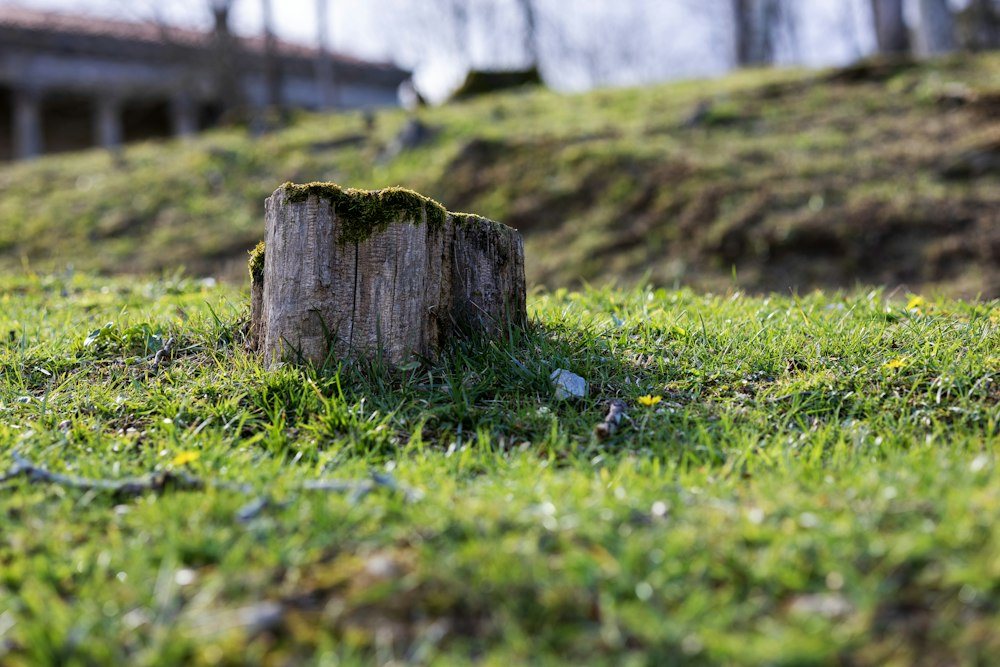
Around Culpeper, Virginia, a stump tends to outlast every plan to deal with it. It snags the mower deck, throws up red maple or poplar sprouts by June, and after a few wet winters goes soft and fills with carpenter ants.
Piedmont Tree Care Co. books stump grinding below grade so you can seed, fence or pour right over the spot. Booked with a removal, it is one visit and one price for the tree and what is left of it. A stump someone left years ago? Send a request, and we will set up a quick Culpeper estimate.
Where We Work
Stump grinding covers every corner of Culpeper County, Boston and Catalpa included, the farms off Route 3 and Route 229, and the nearby parts of Fauquier, Madison, Orange and Rappahannock. See all the areas we serve →
Book the grind with the removal and the stump goes that afternoon: one trip and one number, not a second company. Want to see how the yard settles first? It can be cut low and ground later.
The borer-killed ash cut to a stool, or the row another crew left before heading back up US-29. Red oak and walnut stay hard for years, so the price follows the stump, not its age.
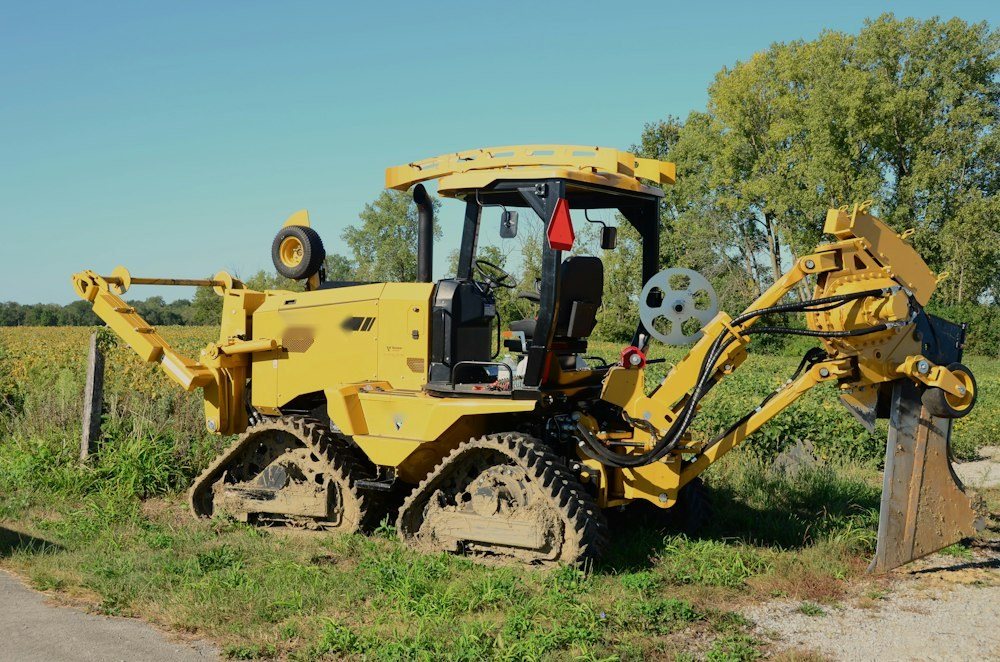
Oak, hickory and walnut are dense and slow in clay and rock. A mature poplar is soft but can be four feet wide at the flare. Red maple roots run under the whole lawn. Pine, redcedar and dead ash grind fast.
A standard grind goes 4 to 6 inches below grade, fine for seed or sod. For a fence post, shed pad or driveway, or to clear maple roots from the mowing line, the grind goes deeper and chases roots. That is its own line on the estimate.
Cost Planning
| Job | Typical cost range |
|---|---|
| Single stump (by diameter) | $100–$400 |
| Each additional stump | $50–$150 |
| Surface-root chasing / deep grind | $75–$200 extra |
Ranges are typical for Piedmont Virginia based on published industry cost guides; your written estimate reflects your specific tree and site. Stump diameter at the flare sets most of the number.
Stumps are measured at ground level, flare included, so a poplar that reads 24 inches across the cut can be 40 where the teeth work. Other things that move the number:
Piedmont clay ruts when wet, sets like brick when dry, and hides greenstone and sandstone that snap teeth. The flare gets probed, the job waits for a dry day, and Virginia 811 is called before every grind.
A grinder throws chips and rock hard. Guards stay down and the area is cleared; ask the tree company for its liability certificate so your Culpeper siding and windows are covered.
Diameter, species and depth get settled at the estimate. Twenty minutes or two hours and new teeth, the written figure holds.
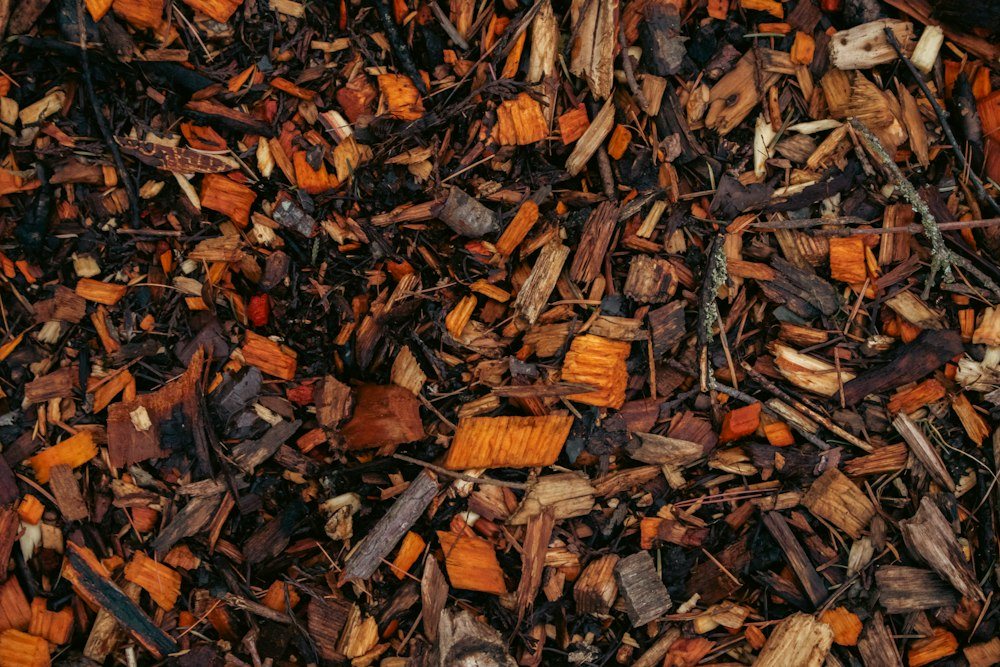
Stump below grade, hole backfilled, spot raked for seed. The town skips stumps at the curb (§ 20-35), and the county treats them as non-household waste (§ 11-21), so the grindings get hauled.
How It Works
You can. Poplar, red maple and black locust stumps sprout for years, dead ash fills with carpenter ants, and white oak sits hard in the mowing line for a decade. For a quick read, try our Tree Diagnosis tool.
Your choice. Most people have them backfilled and mounded a bit high, since chips and clay settle over a season. Or they get hauled; in town they cannot sit at the curb or near a storm drain, and county sites refuse them (§ 11-27).
Usually, within inches of a post, walk or foundation. Septic, well, gas and water lines get located first. A stump between the sidewalk and Main Street is a street tree, so § 21-12 sends it to the town manager. A stump the grinder cannot safely get to gets flagged on your estimate, not on grind day.
Type a town or ZIP, from Brandy Station to Sperryville, and see if we cover it.